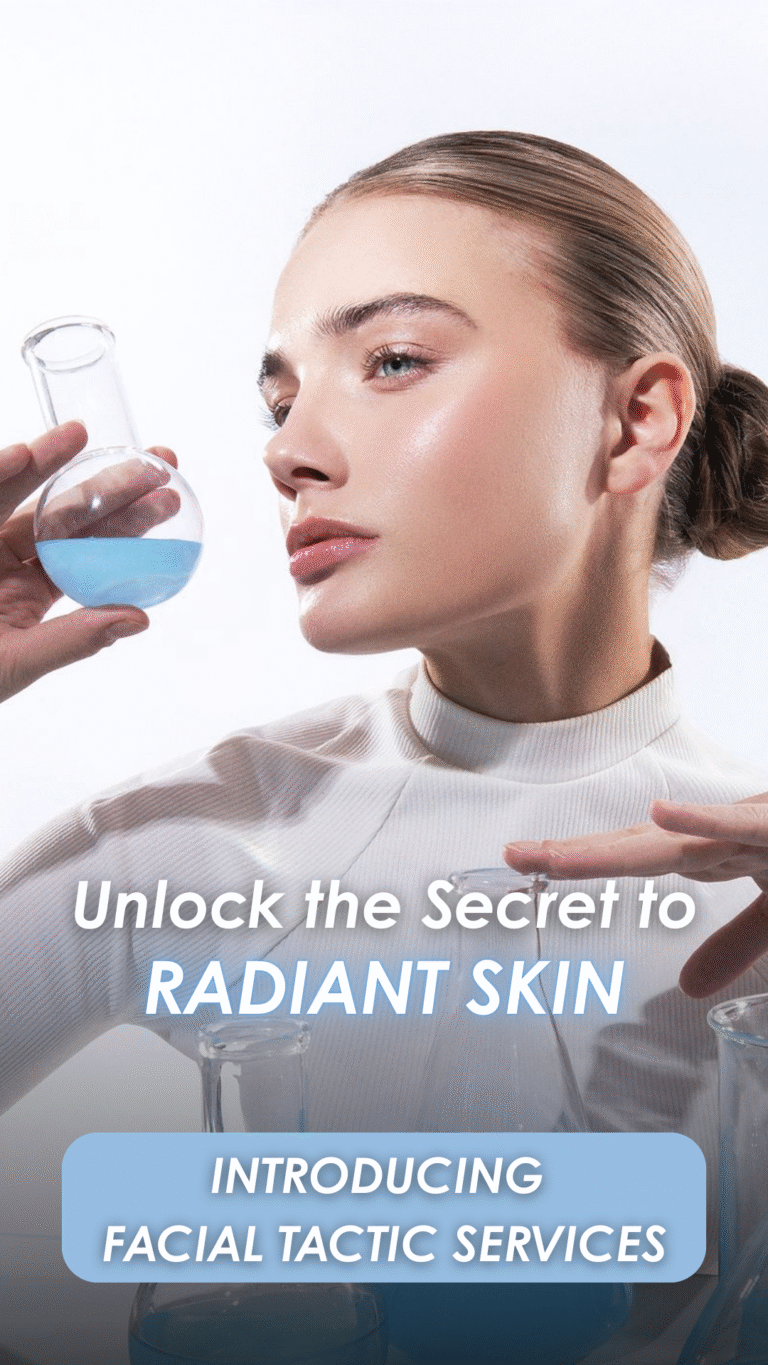
Your skin is a living reflection of your internal health. While premium serums are essential, the most effective skincare routine actually begins on your plate. At
Facial Tactic, we remind our clients that topical treatments and internal nutrition are two sides of the same coin. During Ramadan, the shift in eating windows and sleep patterns can manifest as dullness, dehydration, and “sugar breakouts.” This guide explores how to synchronize your diet with your skincare goals for a radiant, resilient complexion all month long.
The Science of the Skin–Food Connection
Your skin is in a constant state of renewal. To build high-quality new cells, your body requires specific “building blocks” that only nutrition can provide:
- Collagen Synthesis: Requires high-quality protein, Vitamin C, and Zinc.
- Barrier Integrity: Depends on essential fatty acids and lipids to lock in moisture.
- Cellular Protection: Relies on antioxidants to neutralize the “free radicals” that cause premature aging.
When your diet is balanced, your skin becomes more responsive to professional treatments like peels and facials.
Deep Hydration: Why Water Alone Isn’t Enough
Commonly during Ramadan, we see “surface dehydration”—skin that feels tight despite drinking liters of water at Iftar. This happens because water needs
electrolytes (potassium, magnesium, and sodium) to actually enter the cells.
Pro-Tip: Eat Your Water Enhance your hydration by pairing your water intake with:
- Cucumber: High water content plus skin-soothing minerals.
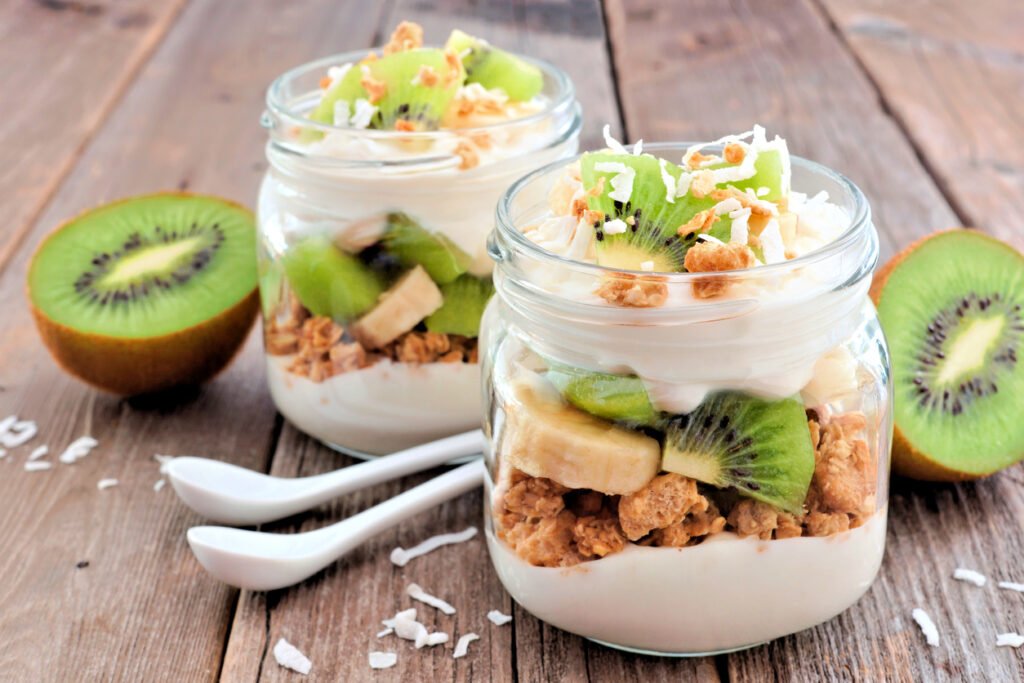
- Bananas & Kiwi: These are potassium-rich superstars. Potassium is a vital electrolyte that helps your body retain water within your skin cells, preventing that “tight” or dehydrated feeling during fasting hours.
- Yogurt or Laban: Provides probiotics for the gut and electrolytes for the cells.
Bone Broths: Rich in collagen-building amino acids and natural salts. improving skin vitality.
The Ramadan Glow Foods
- The “Color Code” for Radiance
Antioxidants give fruits and vegetables their vibrant colors.
- Orange (Carrots/Mango): Rich in Beta-carotene for a smooth, refined texture.
- Red (Tomatoes/Pomegranate): Contains Lycopene, which acts as an internal shield against UV damage.
- Deep Greens (Spinach/Kale): High in Iron and Chlorophyll to boost oxygen circulation.
- Healthy Fats for a Supple Barrier
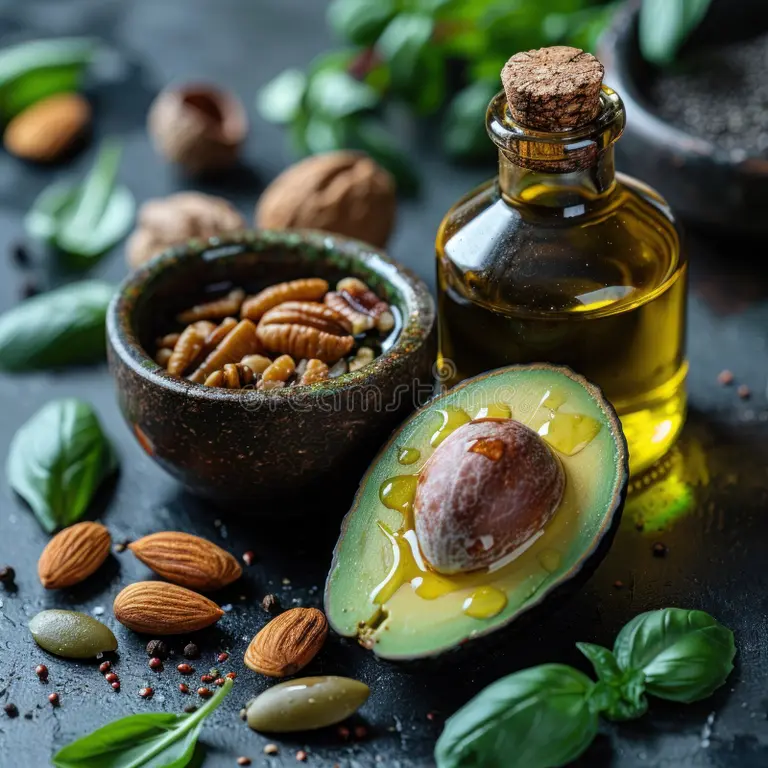
If your skin feels reactive or flaky, your lipid barrier may be compromised. Incorporate Omega-3s (Salmon, Walnuts, Flaxseeds) and Monounsaturated fats (Avocado, Extra Virgin Olive Oil) to keep the skin “plump” and elastic.
- Protein: The Suhoor Essential
Protein is the ultimate stabilizer. A protein-rich Suhoor (Eggs, Lentils, Greek Yogurt) prevents the blood sugar spikes that lead to “inflammaging”—the inflammation that accelerates skin aging.
The Skin Saboteurs: What to Limit
To keep your complexion clear, be mindful of these common Ramadan habits:
- Refined Sugar at Iftar: High-sugar desserts cause Glycation, a process where sugar molecules attach to collagen fibers, making them brittle and leading to sagging.
- Excessive Sodium: Salty snacks and processed meats cause water retention, leading to under-eye puffiness and “tired” skin.
- Caffeine Overload: Coffee is a diuretic. For every cup of coffee at Suhoor, ensure you drink two cups of water to compensate.
Your Daily Ramadan Skin Checklist
- Hydrate Gradually: Sip water consistently between Iftar and Suhoor rather than “chugging” it all at once.
- Prioritize Protein: Ensure every Suhoor includes a clean protein source.
- The 80/20 Rule: Enjoy your traditional treats, but aim for 80% whole, nutrient-dense foods.
- Support the Gut: Include fermented foods to prevent “maskne” and digestive-related breakouts.
Elevate Your Results at Facial Tactic
Nutrition builds the foundation, but professional care accelerates the transformation. Whether you are dealing with Ramadan-induced dehydration or seasonal breakouts, our bespoke treatments are designed to complement your healthy lifestyle.
Ready to achieve your most radiant skin yet? Book Your Personalized Skin Consultation NOW!